
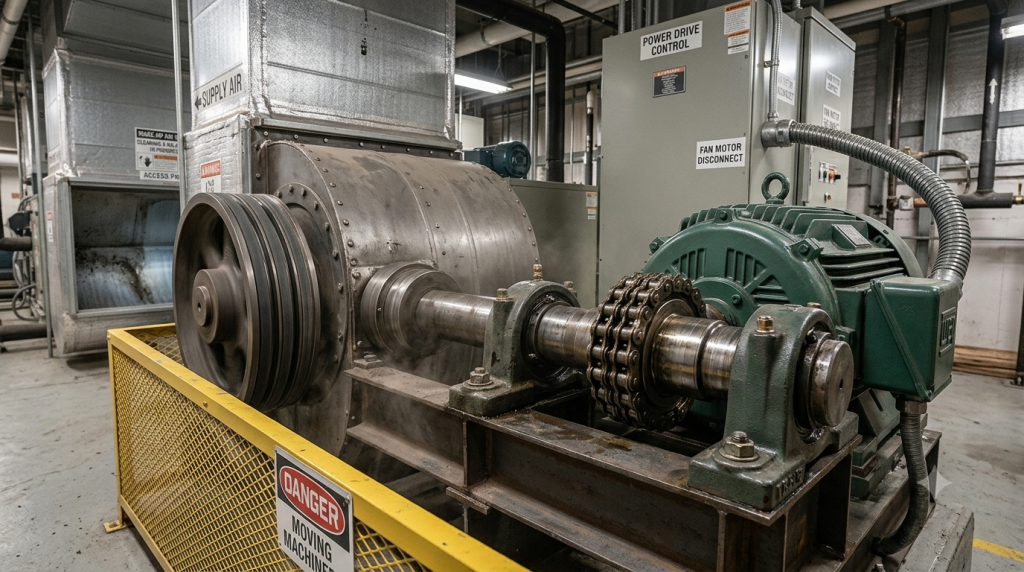
In the intricate world of industrial manufacturing, power transmission serves as the lifeblood that fuels various operations. This vital network converts raw energy into productive work, determining the efficiency and effectiveness of machinery. Understanding how these systems function is essential for optimizing production and minimizing costs, particularly as industries evolve and embrace new technologies in 2026.
Understanding Industrial Power Transmission Systems
Power transmission systems are designed to transfer energy from a source, typically a motor or engine, to the equipment performing the work. This transfer adheres to both mechanical and electrical domains, relying on various components to ensure an efficient operation.
Defining the Two Types of Power Transmission
Power transmission can be broadly categorized into two distinct types: mechanical and electrical. Each plays a pivotal role in ensuring manufacturing efficiency.
- Mechanical Power Transmission: This uses physical components like gears, belts, and chains to deliver power directly to machinery. It excels in applications requiring high torque and precise motion control.
- Electrical Power Transmission: This involves the transfer of electric energy over long distances via high-voltage lines, stepping down the voltage for safe use at the manufacturing site.
Both systems work in tandem; electrical power brings energy into the facility, and mechanical transmission puts that energy to work on the factory floor.
Key Functions of Power Transmission Systems
The primary functions of power transmission systems extend beyond mere energy transfer. These systems are integral for:
- Rotational Motion Management: Effective transmission systems convert rotational energy into useful mechanical work across various applications.
- Energy Loss Minimization: Efficiently designed systems ensure minimal energy waste while transferring power, which is critical for cost management.
- Shock and Vibration Reduction: These systems help absorb shocks and vibrations, promoting a smoother operation and prolonging equipment life.
Understanding these key functions is fundamental for anyone involved in specifying or acquiring power transmission components.
Core Components of Power Transmission
The heart of effective power transmission lies in its components. Each component is selected to fulfill specific roles in the overall system, and their proper integration is vital for performance and reliability.
Gears as the Backbone of Mechanical Transmission
Gears are crucial for achieving the desired torque and speed ratios. They can include:
- Spur Gears: Ideal for moderate speeds and smooth operation in numerous applications.
- Worm Gears: Useful for high reduction ratios and compact spaces.
- Bevel Gears: Effective at changing the axis of rotation, commonly found in tools and machinery.
The choice of gear significantly affects overall system efficiency, emphasizing the need for careful selection based on specific operational needs.
Belt Drives and Chain Drives: Practical Applications
Belt and chain drives are vital for mechanical energy transmission, particularly in industrial settings:
- Belt Drives: Known for their quiet operation and shock absorption, they are often used in conveyor systems.
- Chain Drives: Renowned for their strength and durability, chain drives excel in heavy-load applications.
For example, a well-maintained chain drive can transmit power at efficiencies exceeding 98%, provided alignment issues are addressed. This efficiency can lead to significant cost savings in energy consumption over time.
Challenges and Solutions in Power Transmission
While power transmission systems are essential, they face challenges that can lead to inefficiencies or breakdowns. Understanding these pitfalls allows for proactive measures to enhance performance.
Common Failures and Their Causes
Several issues can cause power transmission failures, among which misalignment is most prevalent. Misalignment can lead to:
- Excessive Wear and Tear: This often accelerates component degradation, reducing the lifespan of parts.
- Increased Energy Consumption: Misalignment forces motors to work harder than necessary, driving up operational costs.
- Unplanned Downtime: Unexpected shutdowns can severely disrupt production schedules, resulting in financial losses.
Identifying the root causes can help in formulating effective maintenance strategies to prevent these failures.
Implementing Preventative Measures
To combat these challenges, industries have adopted several best practices:
- Regular Maintenance Checks: Scheduling routine inspections can help identify potential issues before they escalate.
- Use of Advanced Monitoring Technologies: Implementing IoT sensors can provide real-time data on the performance of components, allowing for timely interventions.
- Training Personnel: Educating teams about proper installation and maintenance practices ensures optimal system performance.
Such proactive measures can safeguard against inefficiencies and extend the working lifespan of the power transmission system, ultimately leading to enhanced productivity and reduced total costs.
The Impact of Efficient Power Transmission on Manufacturing
The benefits of an optimized power transmission system extend beyond individual components. Together, they create a cohesive framework that supports smooth manufacturing processes.
Boosting Overall Productivity
Efficient power transmission directly links to manufacturing productivity, influencing production speed and quality:
- Consistent Performance: Optimized systems reduce downtime, allowing for uninterrupted production flow, which is crucial in high-volume environments.
- Enhanced Product Quality: When machines operate smoothly, the likelihood of defects decreases, leading to higher-quality output.
- Cost Efficiency: Minimizing energy losses translates into lower operational costs, positively impacting the bottom line.
Every increment in efficiency leads to significant gains in both productivity and profitability, underscoring the importance of robust power transmission systems. Contact Ontario Belting to help you.


