
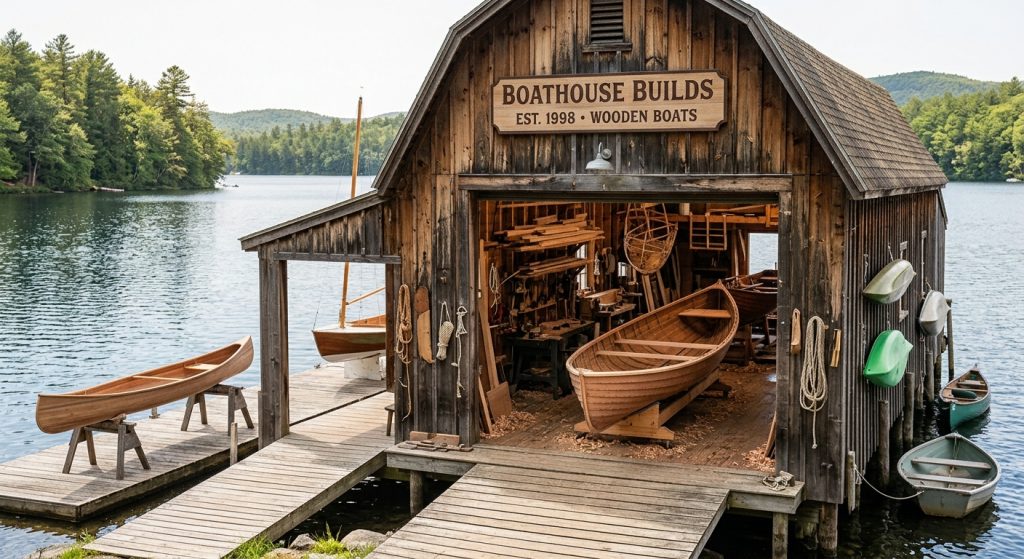
Building a boathouse comes with its own unique set of challenges, particularly when it comes to selecting the right pilings. Understanding which pilings endure fluctuating water levels is essential for creating a stable structure that withstands the test of time. This article delves into the various piling options you have to secure your boathouse foundation effectively.
Evaluate the Types of Pilings for Boathouses
When constructing a boathouse, evaluating the correct types of pilings is paramount. Various types of pilings provide different advantages and limitations. For instance, wood pilings have been traditionally used, but alternatives such as galvanized steel screw piles offer significant benefits in terms of durability and performance.
Understand the Benefits of Helical Screw Piles
Helical screw piles are increasingly favored for their ability to provide stability in fluctuating water conditions. Their unique design allows them to be driven deep into stable soil, ensuring they remain secure even during adverse weather conditions. Here are some notable benefits:
- Corrosion Resistance: Designed to withstand harsh conditions, these piles resist deterioration better than wood.
- Quick Installation: Their installation process is rapid, avoiding the need for extensive excavation.
- Cost-Effective: Reduces overall construction costs due to reduced requirements for concrete foundations.
Assess the Impact of Water Fluctuations
Fluctuating water levels can significantly challenge the structural integrity of a boathouse. Understanding the impact of these changes helps in selecting the right foundation system. Consider these factors while assessing:
- Uplift Forces: Elevated water levels can create buoyancy, which may lift improperly anchored structures.
- Lateral Loads: Strong waves can exert lateral forces on pilings, increasing the need for stability.
- Soil Conditions: The type and quality of soil play a critical role in determining how well piles perform.
Choose the Right Material for Your Pilings
The choice of material for your pilings directly affects the longevity and safety of your boathouse. Options include:
- Wood: Often aesthetic but prone to decay and pests over time.
- Concrete: Heavy and durable but usually more expensive and harder to install.
- Steel: Offers superior strength and longevity, ideal for fluctuating conditions.
Examine Installation Best Practices
Adhering to proper installation practices is essential to ensure the effectiveness of selected pilings. Incorrect installation may compromise the entire structure. Here are crucial best practices:
- Site Assessment: Conduct a thorough analysis of the waterway conditions and soil types before installation.
- Professional Guidance: Engage with experienced contractors who understand local conditions and requirements.
- Regular Maintenance: Schedule inspections to check for wear and tear, particularly in extreme conditions.
Implement Strategies for Long-term Stability
To ensure long-term stability, it’s imperative to implement strategies that counteract the forces exerted by water conditions. This can include:
- Deep Foundations: Using pilings that reach deeper soil layers can enhance stability.
- Protective Barriers: Incorporating barriers can help mitigate wave impacts on structures.
- Adaptive Design: Constructing your boathouse with the possibility of future modifications in mind can provide additional resilience.
Evaluate Project Specifications with a Professional
Before making your final decisions regarding pilings, consulting with professionals specialized in marine construction can offer valuable insights tailored to your specific context. They can provide detailed assessments of local conditions and propose the best materials and methods for your project. Involving experts not only ensures compliance with regulations but also enhances the durability and functionality of your boathouse.
| Type of Piling | Key Features | Best Applicable Conditions |
|---|---|---|
| Wood | Traditional, aesthetically pleasing | Calm waters, limited fluctuation |
| Concrete | Heavy, long-lasting | Stable environments, less prone to erosion |
| Steel | High strength, corrosion-resistant | Fluctuating water levels, harsh conditions |
| Helical Screw | Quick installation, minimal disturbance | Varied conditions, tight access areas |
Building a successful boathouse involves thorough planning, informed material selection, and professional input. As the demand for waterfront structures continues to rise, ensuring long-term stability amidst fluctuating water levels remains a top priority for builders. For specialized guidance on your construction needs, consider reaching out to COTTAGE CALLS INCORPORATED, the experts in marine construction solutions.


