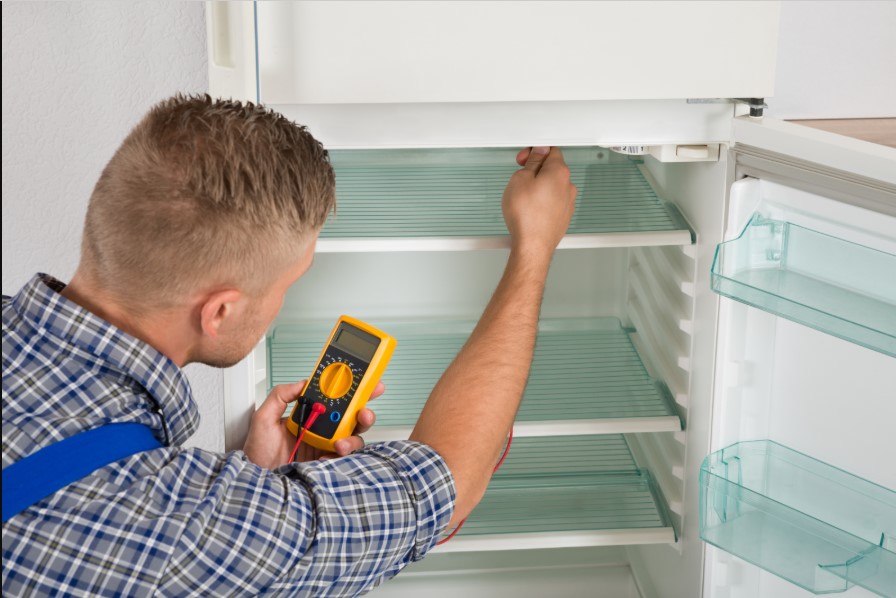
When your refrigerator suddenly stops working, the urgency to fix it can quickly escalate. Knowing the right steps to take and understanding the costs involved can make all the difference in restoring your appliance’s performance without unnecessary stress. From diagnosing common issues to anticipating repair expenses, being prepared helps you act swiftly and confidently when your fridge needs urgent attention.
Understanding Refrigerator Repair Costs
Repair costs for refrigerators can vary widely, depending on the specific problem and the appliance’s age. Knowing average expenses helps you plan your budget and decide whether to repair or replace.
What Are Typical Repair Costs?
The average refrigerator repair cost ranges between $200 and $1,000, based on the nature of the issue. For instance, repairing a compressor generally costs between $200 and $450. Common problems include:
- Water or refrigerant leaks, which affect cooling efficiency.
- Loud or unusual noises, signaling worn motors or fans.
- High energy bills, often from inefficient compressor operation.
- Uneven cooling, leading to food spoilage.
- No cooling at all, indicating major faults possibly requiring compressor or thermostat replacement.
Diagnostic and Labor Fees
When a technician diagnoses the problem, a fee typically applies, around $50 to $150. Often, this fee is waived if you proceed with the repair. Labor costs depend on repair complexity and local hourly rates, with more involved repairs taking longer and costing more.
Repair or Replace?
Deciding if repairing is worth it depends on the cost and the appliance’s age. New refrigerators can cost $1,000 to $3,000 or more. As a guideline:
- Side-by-side fridges: Repair if under five years old.
- Bottom-freezer models: Repair if less than seven years old.
- Top-freezer models: Repair if under six years old.
- Older than 18 years: Typically replace.
Built-in models often favor repair due to integration complexity.
Preparing for a Refrigerator Repair Visit
Proper preparation helps the repair process proceed smoothly and can reduce repair time and costs.
Clear Workspace Around the Refrigerator
Ensure unobstructed space around the appliance to allow easy technician access. Move any furniture, boxes, or items away to avoid delays and promote safety.
Organize Food Items
Remove perishables and relocate food to a cooler place to prevent spoilage during repairs. This organization streamlines troubleshooting and repair tasks.
Gather Warranty and Service Documents
Have your warranty cards, service receipts, and appliance manuals ready. This documentation helps the technician verify coverage and understand past maintenance.
Tools and Inspection Process During Repair
Knowing what tools are used and the inspection process helps demystify repairs and builds confidence in repair services.
Common Tools Technicians Use
- Screwdrivers and pliers: For opening panels and adjusting components.
- Multimeters: To test electrical circuits.
- Pressure gauges: To check refrigerant levels and detect leaks.
Inspection Steps
- Visual inspection: Examining physical parts for wear or damage.
- Electrical testing: Assessing wiring and thermostat functionality.
- Cooling performance checks: Measuring temperature consistency inside compartments.
Technicians then present repair options, timelines, and cost estimates for your approval.
Maintaining Your Refrigerator to Prevent Repairs
Regular maintenance extends your fridge’s lifespan and reduces unexpected breakdowns.
Key Maintenance Tips
- Clean coils every 6–12 months: Dust buildup forces the compressor to work harder.
- Check door seals: Ensure the gasket is clean and airtight to prevent cooled air leaks.
- Set temperature correctly: Ideal temperatures are ~37°F for the fridge and 0°F for the freezer.
- Avoid overloading: Too much food blocks airflow; too little makes cooling inefficient.
- Defrost freezer when ice builds up: When frost exceeds a quarter inch thick.
- Clean spills promptly: To prevent odors and bacteria accumulation.
Benefits of a Home Warranty
A home warranty can cover many repair costs and help with replacements. Plans vary in coverage limits and fees but can provide peace of mind against costly repairs by covering parts, labor, and in some cases, appliance replacement.
Understanding repair costs, preparation, inspection, and maintenance empowers you to handle refrigerator issues confidently. For peace of mind and to avoid unexpected expenses, contact a certified repair technician today. Regular professional check‑ups will keep your appliances running efficiently and extend their lifespan.