
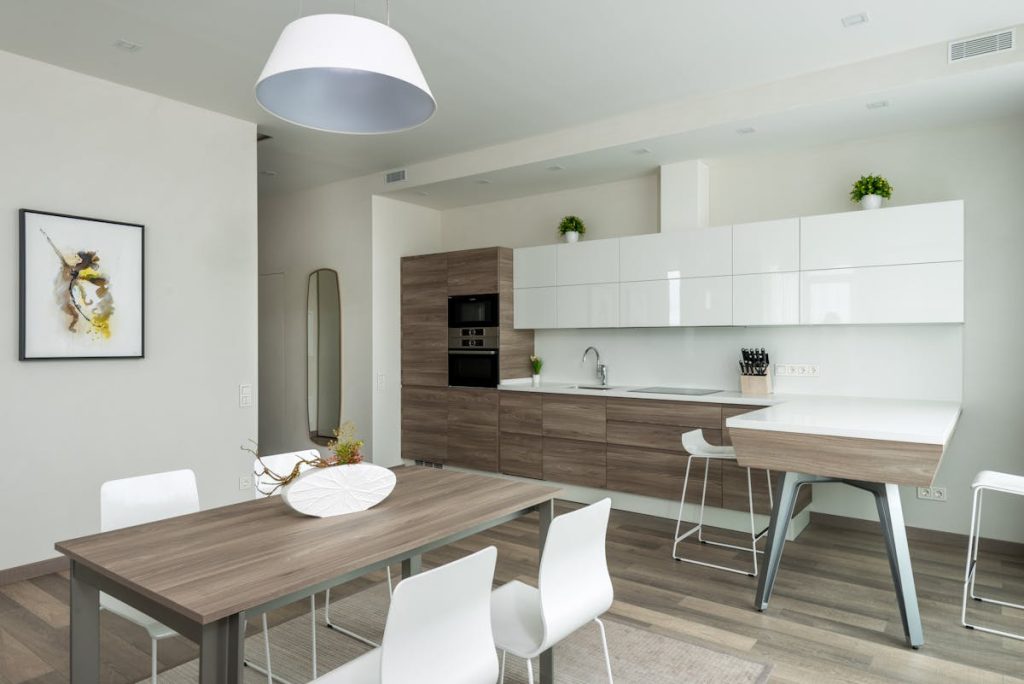
Why does a home sometimes feel uncomfortable despite looking fine on the surface? Remodeling goes far beyond visual appeal. It directly affects daily comfort, thermal balance, functionality, safety, and overall well-being. This article explains, in clear terms, how thoughtful remodeling projects can significantly improve everyday comfort, while making living spaces healthier, more efficient, and easier to enjoy.
What “Improving Comfort” Really Means in Home Remodeling
Improving comfort means enhancing how a home feels and functions every day. It includes thermal comfort, spatial organization, indoor air quality, and psychological well-being. Remodeling is not a cosmetic luxury. It is a practical process that reshapes how people live inside their homes.
Thermal Comfort: Feeling Good in Every Season
Thermal comfort is one of the most immediate benefits of remodeling. Poor temperature control often causes daily discomfort.
Better Insulation
Homes with outdated insulation lose heat in winter and overheat in summer. Improving insulation in walls, roofs, or attics helps maintain stable indoor temperatures and reduces drafts. According to Energie des Régions, proper insulation directly improves thermal comfort and limits temperature fluctuations.
Modern Heating and Ventilation Systems
Replacing old heating or ventilation systems with modern equipment improves comfort in several ways. Efficient systems regulate indoor temperature more precisely and improve air circulation. Bernhardt’s Remodeling highlights that updated systems also reduce humidity and indoor pollutants, creating healthier living conditions. Proper ventilation is also essential for maintaining indoor air quality.
Better Layout and Everyday Functionality
Comfort also depends on how easily people move and function inside their home. Remodeling can dramatically improve daily usability.
Optimized Use of Space
Reconfiguring layouts, such as opening kitchens or creating multi-purpose rooms, makes spaces more practical. According to North Penn Now, better layouts simplify daily routines and improve overall livability. Well-designed storage solutions also reduce clutter, which Tamaracamera Blog associates with lower daily stress levels
Natural Light and Airflow
Adding windows, skylights, or open spaces allows more natural light and fresh air. Research summarized by North Penn Now shows that natural light improves mood and perceived comfort, while better airflow helps regulate indoor temperature naturally.
Psychological Well-Being and Interior Atmosphere
The design of a living space has a measurable effect on mental well-being.
Personalization and Sense of Control
Remodeling allows homeowners to choose colors, materials, and layouts that reflect their preferences. This personalization creates a stronger sense of ownership and emotional comfort, which positively affects mental well-being.
Stress Reduction Through Design
Spaces designed for relaxation, such as calm bedrooms or functional bathrooms, support daily recovery. Tamaracamera Blog explains that uncluttered, well-organized interiors contribute to lower stress and better emotional balance.
Additional Comfort-Related Benefits
Beyond daily comfort, remodeling also improves safety, health, and efficiency.
Safety and Health Improvements
Remodeling often includes updating electrical systems, plumbing, or structural elements. Professional note that replacing aging infrastructure reduces safety risks and prevents long-term damage. Proper ventilation and moisture control further protect occupant health.
Energy Efficiency and Cost Reduction
Improved insulation and efficient systems reduce energy consumption. Energy-efficient renovations often lead to lower utility bills, while maintaining indoor comfort.
Summary Table: How Remodeling Enhances Comfort
| Comfort Aspect | Impact of Remodeling |
|---|---|
| Indoor temperature | More stable, fewer drafts |
| Space organization | Easier movement, better daily functionality |
| Light and air quality | Brighter, healthier indoor environment |
| Psychological well-being | Reduced stress, increased personal satisfaction |
| Safety and health | Updated systems, lower risk |
| Energy efficiency | Reduced energy consumption and operating costs |
Remodeling directly improves everyday comfort by enhancing thermal performance, spatial organization, indoor air quality, and emotional well-being. These changes influence how a home feels and functions every single day. Whether the goal is better temperature control, improved layouts, or a healthier indoor environment, targeted remodeling projects offer measurable comfort benefits. Taking a structured, well-informed approach is the first step toward a more comfortable home.
If everyday comfort at home feels limited, a qualified remodeling professional can help identify practical improvements. Contact a trusted remodeling expert to get clear advice and turn your comfort goals into concrete solutions.

