
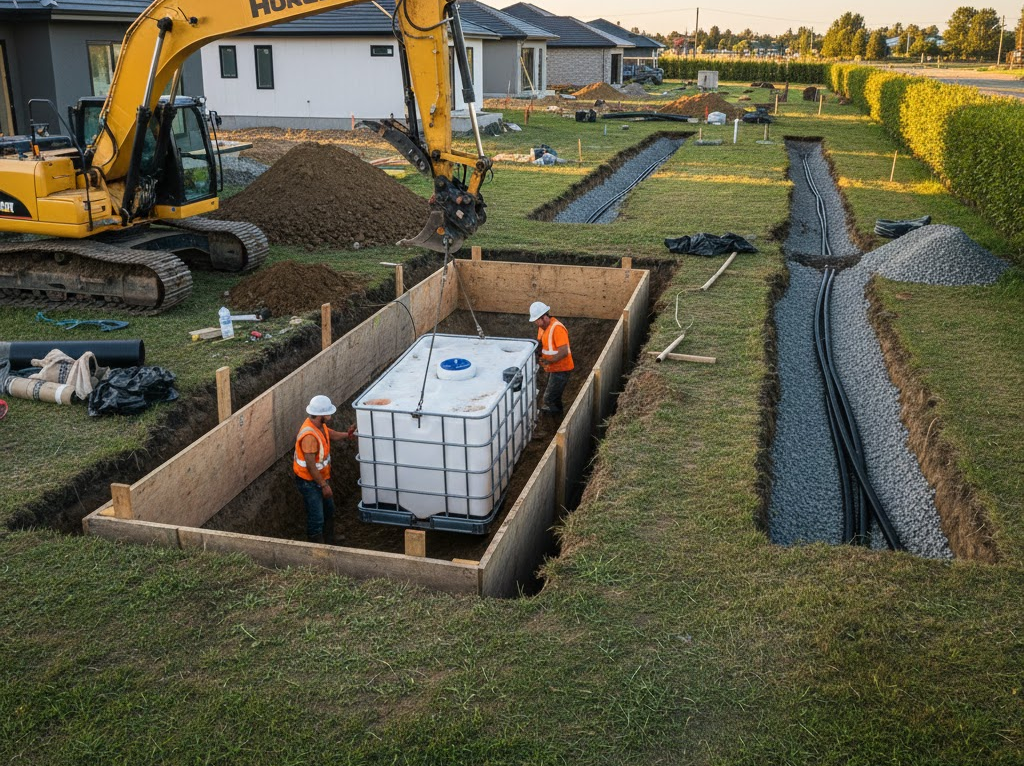
When it comes to home maintenance, septic installation often flies under the radar, yet it plays a crucial role in safeguarding your property. A well-executed septic system not only manages wastewater effectively but also protects the environment and your investment. In this article, we’ll explore how proper septic installation is essential for both the health of your home and the surrounding landscape.
Understanding the Importance of a Well-Designed Septic System
A well-designed septic system serves as the backbone of sewage management for many rural and suburban homes. Hidden beneath the surface, it comprises a complex network of pipes, tanks, and filtration units that handle household wastewater. When installed correctly, these systems do more than just manage waste; they protect the surrounding environment by preventing contamination, maintaining soil fertility, and ensuring long-term sustainability. Conversely, improper installation can lead to failures that affect both financial stability and local ecosystems.
Groundwater and Soil Protection: Why It Matters
Water is our most precious resource, and groundwater functions as a natural filter for freshwater supplies. Unfortunately, a failing septic system can introduce harmful substances like bacteria and chemical pollutants into these essential water reserves. Once groundwater is contaminated, it can take years or decades to recover. This underscores the importance of proper site evaluation, meticulous design, and routine maintenance to ensure that wastewater is safely treated before it re-enters the ecosystem.
Assessing Local Soil Conditions
The performance of a septic system heavily relies on its compatibility with local soil conditions. For instance, clay soils, which drain slowly, pose different challenges compared to sandy soils that drain too quickly. Conducting a percolation test prior to installation provides critical insights into the appropriate system type and drain-field configuration. Ignoring this step may lead to premature system failures, often within just a few years.
Designing for Efficiency: Sustainable Septic Systems
A sustainable septic system begins with accurately calculating daily wastewater flow based on household size and water usage. Oversized systems can lead to wasteful practices, while undersized units may become overwhelmed, pushing solids into the drain field. Incorporating features like effluent filters, access risers, and distribution boxes is essential for maintaining balanced flow and simplifying maintenance tasks.
Strategic Tank Placement
The location of the septic tank is equally crucial. Ideally, the tank should be positioned downhill from the home but uphill from the drain field. This arrangement facilitates gravity flow, ensuring efficient performance. Additionally, adhering to state regulations regarding setbacks from wells and other water sources acts as a protective measure to contain pollutants effectively.
Installation Best Practices That Protect the Environment
During the installation process, paying attention to small details can yield significant environmental benefits. Excavation should be carried out carefully to minimize disturbance to the natural soil structure, preserving drainage patterns. It’s also vital to avoid compacting the drain-field area, as compacted soil hinders oxygen flow and slows the biological breakdown of waste.
Creating Optimal Conditions for Installation
Soil moisture conditions greatly influence installation success. Setting up a septic system during dry weather ensures a stable environment, while wet ground can complicate percolation rates. Once backfilling is complete, gentle grading is necessary to redirect surface water away from the tank and drain field, reducing hydraulic pressure that could force untreated effluent to the surface.
Maintenance: The Key to Longevity
Even the most expertly installed systems require diligent maintenance to function optimally. Regular inspections, typically every one to three years, help identify potential issues like sludge buildup or imminent drain-field saturation. Pumping the tank before solids reach the outlet tee is crucial to prevent unwanted blockages and extend the lifespan of the drain field. Homeowners should maintain accurate records of all maintenance activities as this information is invaluable for troubleshooting or property transactions in the future.
Water Conservation as a Preventive Measure
Furthermore, practicing water conservation within the household is a simple yet effective method to minimize groundwater pollution. Addressing leaks, employing low-flow fixtures, and staggering laundry loads help avert sudden spikes in wastewater that could overload septic systems. Additionally, reducing the use of harsh chemicals supports the natural bacterial ecosystem crucial for breaking down organic materials.
If you are considering a septic installation project, it is imperative to consult resources like this guide to ensure every critical aspect is covered.
A properly installed septic system is crucial not only for protecting your property but also for safeguarding the surrounding environment. By consulting with an expert who understands local regulations and best practices, you can ensure that your septic system operates efficiently and sustainably for years to come.


