
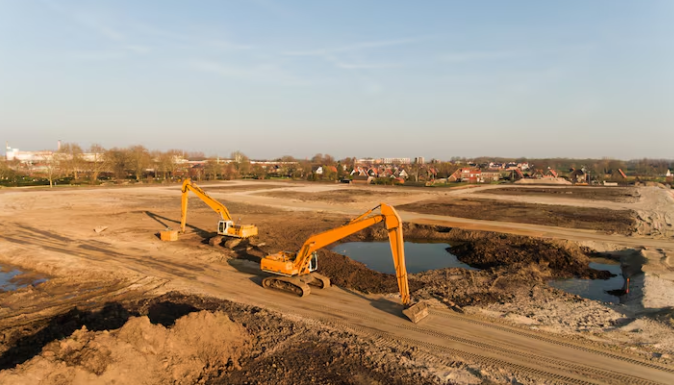
In this exploration, we will delve into the multifaceted world of land reclamation, examining its purposes, key processes, and the invaluable lessons learned from case studies across various regions. We will also highlight the significance of environmental rehabilitation and the collaborative efforts required to achieve meaningful change. The transformative impact of well-executed reclamation projects illustrates the inherent interconnectedness of our environment, economy, and society.
The Essentials of Land Reclamation
So, what exactly is a reclamation project? At its core, it stands as the process of returning degraded or disturbed land to a more usable and sustainable condition. This restoration is particularly vital in areas affected by mining, industrial activities, and other forms of land degradation. The overarching aim is to rehabilitate the land to support a diverse range of life forms and economic activities.
Main Purposes of Reclamation Projects
- Environmental Recovery: Reclamation endeavors to restore ecosystems to their natural state, ultimately promoting biodiversity and ecological resilience.
- Economic Utilization: Once reclaimed, land can serve various purposes, including agricultural development, commercial applications, and recreational spaces, enhancing local economies.
- Safety Enhancements: Addressing hazards from previous land use, such as open pits or contamination, significantly reduces risks to communities.
- Aesthetic Improvement: By transforming barren landscapes into attractive and functional spaces, reclamation enhances the community’s quality of life.
Key Steps in an Effective Reclamation Project
The journey of reclaiming land encompasses several critical steps that ensure success and sustainability:
1. Land Assessment
Understanding the initial condition of the land is paramount. This involves analyzing soil, water, and vegetation to determine the extent of degradation and inform a targeted, effective reclamation strategy.
2. Soil Stabilization
Implementing erosion control measures such as planting vegetation or constructing barriers helps stabilize the soil. Improving soil quality through nutrient enrichment enhances the chances of successful reclamation.
3. Water Management
Re-establishing natural water flows is essential. Constructing drainage systems and water retention structures can help manage excess water and reduce pollution while restoring the landscape’s natural hydrology.
4. Vegetation and Habitat Restoration
Planting native species is vital for restoring habitat diversity. Creating environments that appeal to wildlife, including shelters and food sources, fosters biodiversity and ecosystem health.
Case Study: Idaho’s Cataldo Mission
A remarkable example of reclamation is found at Idaho’s Cataldo Mission. This project transformed a former mining site into a thriving habitat. Spanning over 500 acres, the initiative led to the restoration of 90% of native vegetation and significant improvements in water quality. The project highlights the multi-faceted benefits of reclamation, offering both ecological and community advantages.
The Broader Impacts of Reclamation Initiatives
The value of land reclamation extends beyond the physical landscape. It often catalyzes significant social benefits:
- Job Creation: As reclamation projects unfold, they often generate employment opportunities, stimulating local economies.
- Community Revitalization: Transforming degraded land into valuable public spaces fosters community cohesion and enhances local living standards.
- Climate Resilience: Restoring damaged ecosystems can play a role in climate change mitigation, allowing areas to better absorb carbon and withstand environmental changes.
Challenges and Considerations in Land Reclamation
While the benefits of land reclamation are clear, challenges remain. The importance of careful planning cannot be overstated. Attributes such as soil variability, the potential for socio-economic displacement, and the financial burden are key considerations that demand attention. Projects require collaboration between governments, environmental experts, communities, and industries to navigate complexities effectively.
Examining Successful Land Reclamation Projects Worldwide
Numerous impressive reclamation projects have taken shape across the globe, each with unique challenges and methods. For example, Sudbury, Canada, which was once characterized by barren landscapes, has seen over four decades of dedicated restoration efforts, resulting in lush boreal forests and renewed community pride.
Land reclamation serves as a reminder that the potential to heal our environment is not just a distant dream—it’s achievable with the right strategies and dedication. As we continue to tackle the pressing environmental challenges of our time, the lessons gleaned from reclamation projects can illuminate pathways toward sustainable development and improved community resilience.
Organizations such as HH Excavation & Land Reclamation bring valuable expertise to these initiatives by supporting environmental assessments, restoration planning, and the implementation of sustainable land management solutions.


