
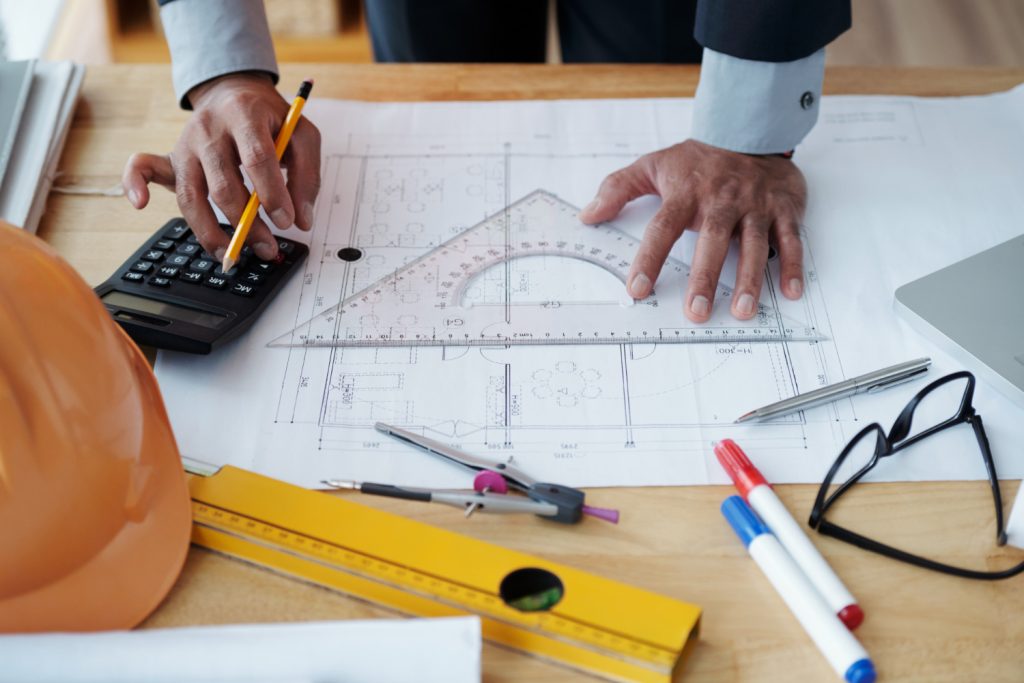
Construction surveying is a critical component of any successful project. Accurate surveying ensures that structures are built in the right location, at the right height, and according to the approved design. However, errors in surveying can lead to significant project delays, increased costs, and safety risks. In 2026, as construction technologies continue to advance, understanding these common errors and implementing strategies for error prevention is more crucial than ever. This guide explores the key mistakes in construction surveying and offers practical solutions to help project managers navigate the complexities of site engineering.
Common Construction Surveying Errors and Their Impact on Projects
Errors in construction surveying can manifest in various ways, affecting project timelines and budgets. Recognizing these mistakes can lead to improved accuracy and efficiency on job sites. Here are some of the most frequent errors encountered:
- Measurement Errors: These include incorrect distances, misreading instruments, or using faulty equipment, which can lead to structural misalignment.
- Improper Instrument Setup: Failing to level instruments correctly or setting them on unstable ground can produce erroneous data.
- Misplacement of Reference Points: Displaced or inaccurately marked points can result in significant construction challenges.
- Ignoring Site Conditions: Factors like ground slope or environmental conditions are critical for effective surveys and must be considered.
- Communication Gaps: Failure to convey design changes or site conditions leads to misunderstandings that can derail the project.
1. Site Access Constraints During Surveying
One significant challenge stems from poor site access, which often results in delays. Problems such as locked gates, overgrown vegetation, or active traffic zones can hinder the efficiency of surveying teams. In 2026, with urban spaces becoming more congested, planning for site access must be prioritized.
Solution: Integrate access logistics early in the scheduling process. Collaborate with contractors and secure necessary permits, ensuring the team can mobilize without obstructions. This proactive approach minimizes potential bottlenecks.
2. Design Clashes and Their Consequences
Commonly, surveyors encounter discrepancies between design plans and on-site realities, such as misaligned utility ducts or incorrect elevation ties. Not catching these clashes early can lead to costly modifications in the development phase.
Solution: Allocate time within project timelines for thorough clash detection. Utilizing tools such as BIM and CAD for pre-construction modeling can prevent these issues early on. Surveys should be done prior to site stripping to expose conflicts before they escalate.
3. Issues with Survey Control
Inconsistent survey control can undermine the entire project. Undefined benchmarks or disturbed control points might lead to redundancy and disputes over accuracy.
Solution: Establish a defined control network at the project’s outset. Protect benchmarks and conduct regular calibration checks on equipment to uphold high standards of construction accuracy.
4. Last-Minute CAD Revisions
Receiving late revisions to CAD files can significantly disrupt surveying efforts. Without clear update logs, even minor adjustments require extensive re-surveying, ensuing in workflow disruptions.
Solution: Implement a controlled process for CAD revisions that includes version naming, change logs, and notifications to ensure all stakeholders are updated promptly.
5. Compressed Timelines and Time Pressure
Setting out may seem straightforward, but it requires careful verification, quality assurance, and error rectification under live conditions. Tight schedules can lead to rushed decisions and ultimately cost more to fix.
Solution: Engage surveyors in programme planning from the start. Accounting for time to process data and schedule QA checks is vital for mitigating potential errors down the line.
| Error Type | Impact on Project | Recommended Solution |
|---|---|---|
| Measurement Errors | Structural misalignment | Regular equipment calibration |
| Improper Setup | Erroneous data | Ensure stable instrument placement |
| Misplaced Points | Construction delays | Verify reference points regularly |
| Ignoring Conditions | Foundation issues | Consider ground conditions before surveying |
| Communication Gaps | Project misunderstandings | Establish clear communication channels |
Understanding and addressing these common errors plays a pivotal role in ensuring that construction projects remain on track. It’s essential to foster a culture of quality control and open communication among all teams to mitigate risks effectively. For a deeper dive into optimizing surveying accuracy, consider exploring advanced surveying techniques, such as 5D Surveying Pty Ltd.


