
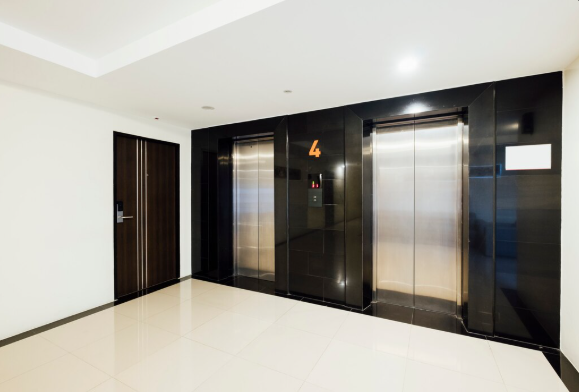
Elevators and lifts are an essential part of modern buildings, making daily life more convenient in residential complexes, commercial properties, hospitals, hotels, and industrial facilities. Despite their reliability, these systems operate under constant mechanical stress and require regular attention to remain safe and efficient. Like any complex piece of equipment, an elevator benefits from routine inspections that identify hidden issues before they become costly or dangerous.
Why Regular Elevator and Lift Inspection Is Essential
Every elevator contains hundreds of moving components working together with electrical and electronic systems. Over time, normal wear and tear can affect the performance of these parts.
Routine inspections help technicians detect problems such as:
- Worn cables or belts
- Faulty door mechanisms
- Brake system deterioration
- Electrical malfunctions
- Misaligned guide rails
- Excessive vibration or unusual noises
By identifying these issues early, repairs can be scheduled before they develop into serious failures.
Improving Passenger Safety
Safety remains the primary reason for conducting regular lift inspections.
Passengers trust elevators every day without considering the complex engineering behind each journey. Even minor mechanical defects can increase the risk of sudden breakdowns, door malfunctions, or emergency stoppages.
Comprehensive inspections verify that all critical safety devices operate correctly, including:
| Safety Component | Inspection Purpose |
|---|---|
| Emergency brakes | Ensure controlled stopping |
| Door sensors | Prevent doors from closing on passengers |
| Alarm systems | Confirm emergency communication works |
| Backup power | Verify operation during power outages |
| Control systems | Detect software or electrical faults |
Regular evaluations significantly reduce the likelihood of accidents while maintaining confidence among building occupants.
How Preventive Elevator Maintenance Reduces Costs
Many property owners assume inspections represent an additional expense. In reality, preventive maintenance often saves substantial amounts over time.
Replacing a worn bearing during an inspection is considerably less expensive than repairing extensive motor damage caused by prolonged neglect.
Routine inspections also help:
- Reduce emergency repair costs
- Minimize unexpected shutdowns
- Extend equipment lifespan
- Improve operational efficiency
- Preserve property value
Rather than reacting to failures, building managers can plan maintenance schedules with fewer disruptions.
Avoiding Unexpected Downtime
An out-of-service elevator creates inconvenience for everyone, particularly in buildings where accessibility is essential.
Unexpected downtime may lead to:
- Resident complaints
- Business interruptions
- Reduced customer satisfaction
- Accessibility challenges
- Increased repair expenses
Scheduled inspections identify developing issues before they result in service interruptions, allowing repairs to be completed during planned maintenance periods.
Elevator Inspection Checklist: What Professionals Evaluate
A thorough inspection involves much more than a quick visual assessment. Qualified inspectors carefully examine mechanical, electrical, and safety systems.
Typical inspection areas include:
Mechanical Components
Inspectors verify the condition of:
- Hoist ropes
- Pulleys
- Bearings
- Motors
- Gearboxes
- Counterweights
Signs of excessive wear or corrosion are documented for corrective action.
Electrical Systems
Modern elevators depend heavily on electronic controls.
Inspection procedures often include testing:
- Control panels
- Circuit boards
- Wiring connections
- Safety relays
- Battery backup systems
Electrical faults detected early can prevent complete system failures.
Doors and Safety Devices
Elevator doors experience thousands of opening and closing cycles every year.
Technicians inspect:
- Door alignment
- Rollers
- Tracks
- Sensors
- Locking mechanisms
Proper door operation is critical because door-related issues account for many service calls.
Compliance with Safety Regulations
Many jurisdictions require periodic inspections to verify compliance with safety standards.
Maintaining accurate inspection records demonstrates responsible building management and helps ensure elevators continue operating within established safety requirements.
Compliance also helps reduce legal risks while reassuring occupants that the equipment receives proper care.
Signs Your Elevator May Need Immediate Inspection
Although routine schedules are important, certain warning signs should never be ignored.
Arrange an inspection promptly if the elevator experiences:
- Unusual grinding or scraping noises
- Slow or jerky movement
- Frequent breakdowns
- Doors that fail to close properly
- Inconsistent floor leveling
- Burning smells
- Repeated error messages
Ignoring these symptoms can transform minor issues into major repairs.
Benefits of Routine Lift Safety Inspections
Consistent inspections deliver advantages beyond regulatory compliance.
Some of the most important benefits include:
- Enhanced passenger confidence
- Improved equipment reliability
- Longer service life
- Lower operating costs
- Better energy efficiency
- Reduced emergency repairs
- Increased property value
When maintenance becomes part of a long-term strategy, elevators continue operating smoothly with fewer interruptions.
Elevators are among the hardest-working systems in any building, quietly transporting people throughout the day. Their dependable performance depends on regular inspections that identify wear before it develops into significant problems. By prioritizing preventive maintenance, building owners improve safety, minimize costly breakdowns, and maximize equipment longevity. For professional elevator inspection and maintenance services tailored to your property’s needs, contact MARCH ELEVATOR LIMITED to keep your vertical transportation systems operating safely and efficiently.


