
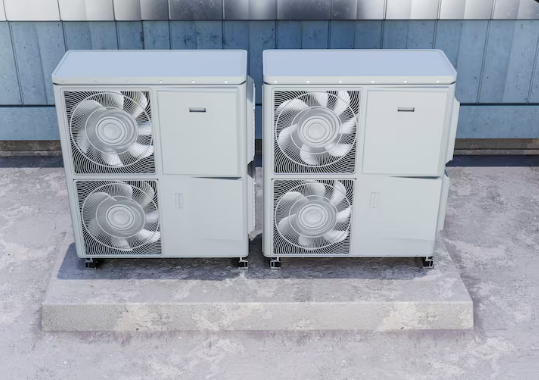
A central air conditioner is one of the most effective ways to maintain a comfortable indoor environment throughout the warmer months. However, choosing the right system involves much more than selecting the largest unit available. Factors such as home size, energy efficiency, insulation, climate, and installation quality all influence long-term performance.
Investing time in selecting the appropriate central air conditioner can lower energy bills, improve indoor comfort, and reduce future maintenance costs.
Determine the Correct Central Air Conditioner Size
One of the most common mistakes homeowners make is choosing an air conditioner based solely on cooling capacity.
An oversized unit cools rooms too quickly, resulting in frequent cycling that wastes energy and reduces humidity control. Conversely, an undersized system runs continuously without adequately cooling the home.
Professionals typically evaluate several factors before recommending the proper capacity, including:
- Total floor area
- Ceiling height
- Number of windows
- Insulation quality
- Local climate
- Sun exposure
- Number of occupants
Accurate sizing ensures balanced cooling and greater energy efficiency.
Why Proper Sizing Matters
Correctly sized equipment provides several benefits:
- Stable indoor temperatures
- Better humidity control
- Lower electricity consumption
- Reduced equipment wear
- Longer operating life
Finding the right balance often delivers greater comfort than simply purchasing a larger unit.
Compare Energy Efficiency Ratings
Energy efficiency should be a major consideration when purchasing a central air conditioning system.
Although high-efficiency units may involve a greater initial investment, they often reduce operating costs over many years.
When comparing systems, pay attention to efficiency ratings, which indicate how effectively the equipment converts electricity into cooling performance.
Higher-efficiency systems generally offer:
| Benefit | Impact |
|---|---|
| Lower electricity usage | Reduced monthly utility bills |
| Less environmental impact | Lower energy consumption |
| Improved temperature consistency | Enhanced comfort |
| Longer operating efficiency | Better long-term value |
Balancing purchase price with lifetime operating costs helps maximize value.
Consider Your Home’s Insulation and Air Sealing
Even the most advanced air conditioner cannot compensate for poor insulation or excessive air leakage.
Before replacing an existing cooling system, homeowners should evaluate:
- Roof insulation
- Wall insulation
- Window condition
- Door seals
- Air leaks around ductwork
Improving insulation often reduces cooling demand, allowing a smaller and more efficient air conditioner to perform effectively.
Evaluate Existing Ductwork
The duct system distributes conditioned air throughout the home.
Damaged or leaking ducts can reduce efficiency by allowing cooled air to escape before reaching living spaces.
A professional inspection can identify:
- Air leaks
- Poor insulation
- Blockages
- Improper airflow balance
Repairing ductwork often improves comfort without increasing energy consumption.
Think About Maintenance Requirements
Routine maintenance keeps central air conditioners operating efficiently.
When comparing systems, consider:
- Accessibility of filters
- Ease of cleaning
- Availability of replacement parts
- Recommended maintenance intervals
Simple maintenance tasks performed regularly help prevent expensive repairs and extend equipment life.
Indoor Comfort Features to Consider
Modern central air conditioning systems often include features that improve comfort beyond cooling alone.
Examples include:
- Programmable temperature settings
- Variable airflow
- Humidity management
- Quiet operation
- Enhanced air filtration
These features can create a more comfortable indoor environment while improving overall efficiency.
Budget Beyond the Purchase Price
The purchase cost represents only part of the total investment.
Homeowners should also consider:
- Installation costs
- Annual maintenance
- Energy consumption
- Potential repairs
- Expected service life
Sometimes, a slightly higher upfront investment results in lower overall ownership costs over the system’s lifespan.
Questions to Ask Before Buying
Before making a final decision, consider asking:
- Is the system properly sized for my home?
- What efficiency rating does it offer?
- How often will maintenance be required?
- Is my ductwork suitable?
- What warranty coverage is available?
- What is the estimated annual operating cost?
Answering these questions helps ensure an informed purchase.
Conclusion
Choosing the right central air conditioner requires careful consideration of your home’s size, insulation, energy efficiency goals, and long-term operating costs. A properly selected and professionally installed system delivers reliable comfort, lower utility bills, and dependable performance for years to come. For expert guidance on selecting, installing, and maintaining the ideal central air conditioning system for your home, reach out to L.B. Heating & Air Conditioning for solutions designed to meet your specific cooling needs.


